About the project
STEM with Art
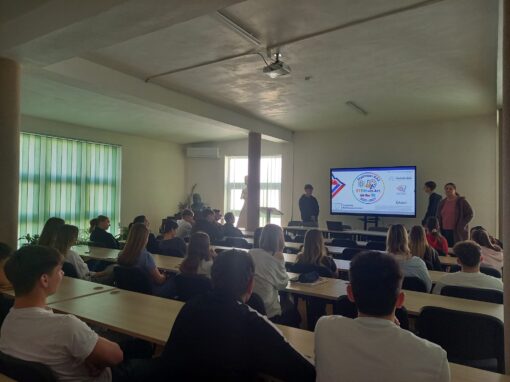
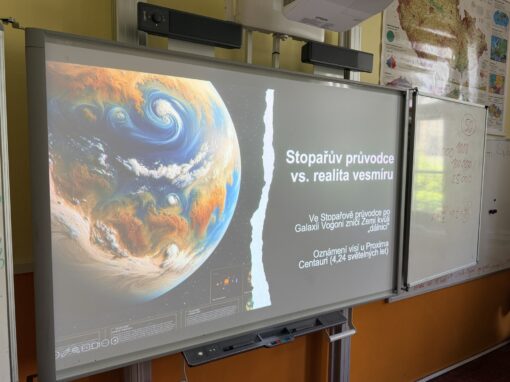
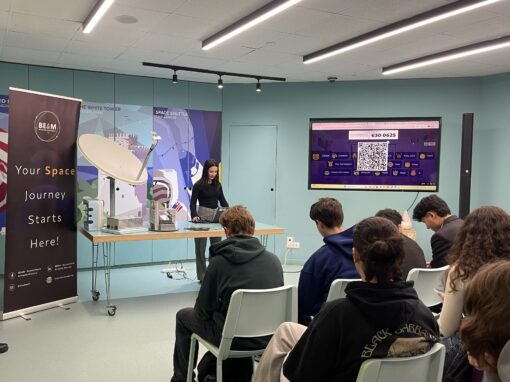
STEM with Art is a programme that connects science, art, and space exploration to make learning more engaging, creative, and inclusive. Together, we aim to inspire curiosity, critical thinking, and a love for discovery — preparing learners for the challenges of the future and beyond.
Project Number:2025-1-CZ01-KA210-SCH-000350118
“Funded by the European Union. Views and opinions expressed are however those of the author(s) only and do not necessarily reflect those of the European Union or the European Education and Culture Executive Agency (EACEA). Neither the European Union nor EACEA can be held responsible for them.”
What we do
ACTIVITIES
WP2 – TOUCH THE UNIVERSE WITH ART
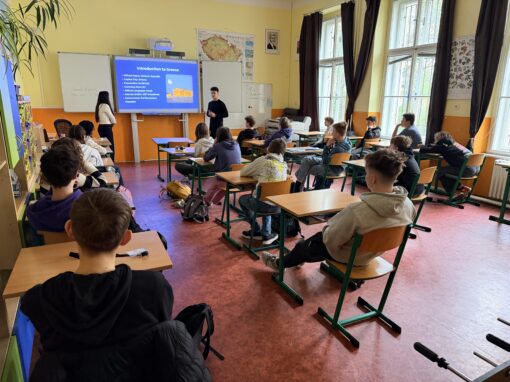
Introduction to using STEM in space study
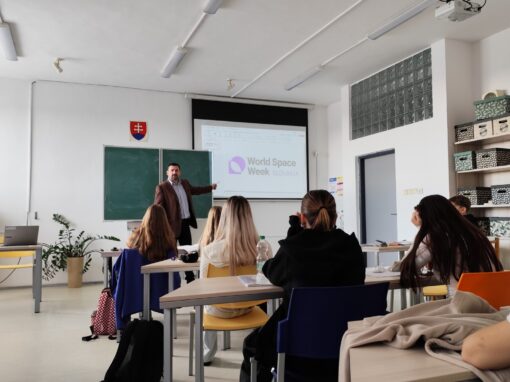
World Space Week (4-10 Oct)
Guideline to prepare STEM lessons related to space study
Development of STEM lessons related to space study
Piloting of STEM lessons related to space study
Touch the Universe – physical meeting in Czechia
International Astronomy Day (22 April)+Multiplier event
WP3 – ROBOTICS AND CODING WITH ART
Introduction to robotics and coding
Robotics virtual event
Guideline to prepare lessons related to robotics and coding
Development of lessons related to robotics and coding
Piloting of lessons related to robotics and coding
Robotics and coding – physical meeting in Greece
Hour of Code + Multiplier event
WP4 – AI WITH ART
Introduction to AI used for an educational purpose
Ethical use of AI – local workshops
Guideline to prepare lessons related to AI
Development of lessons related to AI
Piloting of lessons related to AI
AI with art – physical meeting in Slovakia
Virtual exhibition – AI outcomes + Multiplier event
NEWS
ABOUT PARTNERS
The Brothers’ School is a community primary school focused on project-based learning, exploration, and experimentation across subjects. Rooted in ethical Christian values, it promotes independence, responsibility, and democratic attitudes. With a small number of pupils, the school offers personalized attention and provides inclusive education for gifted students and those with special needs. Environmental topics are integrated alongside physics, mathematics, and biology, often through field trips. The curriculum emphasizes media, financial literacy, and STEAM education, encouraging students to develop responsibility, independence, and self-presentation skills. The school is well-equipped for STEAM education, with iPads, mobile labs, building blocks, robotics, 3D printing, and physics experiments. Notably, the school led an international project allowing students to build and program stratospheric balloons for photographing Earth from near-space (37 km altitude), which involved pupils from over 45 schools (www.touchtheuniverse.eu). Teachers will provide workshops enabling students to 3D print working rockets, share experiences in robotics, programming, and 3D printing, and learn to use these tools effectively in schools.The project will involve primary school pupils aged 14–15, starting with grade 8 in the first year and grade 9 in the second. Students focus on STE(A)M subjects, learning through project-based methods that connect math, physics, mechanics, and science while practicing English and sharing ideas internationally.
The United Secondary School in Sečovce, Slovakia, combines a Secondary Grammar School and a Secondary Vocational School, providing education to students from a socially and economically disadvantaged region. The Grammar School offers both a 4-year and an 8-year study programme, focused on IT and coding, and concludes with an A-level exam.The school encourages students to participate in competitions, extracurricular clubs, and sports activities, helping them develop their skills beyond the classroom. It is well-equipped with modern facilities, including 3D printers, a school TV and radio studio, and a variety of sports amenities available after school hours.Actively involved in international projects since 2004, the school promotes the European dimension in education by fostering intercultural understanding, digital transformation, and the implementation of STEM education. Its students, typically aged 15–19, include many with fewer opportunities or special educational needs, and the school strives to provide equal access to quality education for all learners.
Eduact is dedicated to creating a better tomorrow through quality education and innovation. By integrating innovation into the educational process, Eduact nurtures talented young individuals, stimulates creativity, and equips youth with essential life skills. The organization combines research, playful learning, and fun to prepare future citizens with both practical and 21st-century competencies.Eduact has extensive experience in digital skills and projects (digital literacy, coding, educational robotics), STEAM education (Science, Technology, Engineering, Arts, Mathematics), soft and life skills, as well as in workshops and training for teachers, students, staff, and parents. The organization also engages in research, dissemination, volunteerism, and youth mobility programs, including Erasmus+ KA1 and KA2 projects, international summer camps, and internships for education students. For this project, Eduact will involve learners aged 14–17, providing opportunities to develop digital literacy, STEAM, and robotics skills while fostering creativity, collaboration, and innovation.